 Pass
PassFuel and Electrical Safety Rules for Motor Vehicles
A motor vehicle may not be used on a public road if any of the following conditions exist:
Fuel System Requirements: The fuel tank, carburettor, fuel receptacle, or fuel pipes are defective or exposed in such a way that they could cause a fire hazard or danger. The fuel tank does not have an effective cap to prevent leakage or spillage of fuel.
Electrical System Requirements — The electrical wiring and battery are not: properly installed, correctly insulated, and well maintained. If these conditions are not met, the wiring and battery may constitute a source of danger, increasing the risk of fire, shock, or mechanical failure.
In Summary
To operate legally and safely on a public road, your vehicle's fuel system must be leak-proof and capped, and its electrical system must be correctly fitted, insulated, and safe.
Engine Safety Requirement for Motor Vehicles
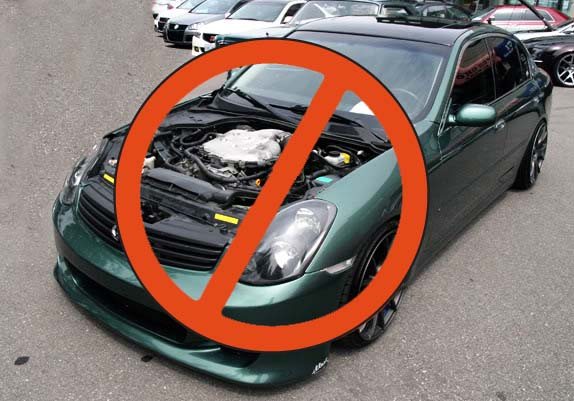
A light or heavy motor vehicle may not be used on a public road unless: the engine is properly covered so that it does not constitute a source of danger.
This means: No exposed moving engine parts that could injure pedestrians, cyclists, or the driver. No open engine components that may cause burns, sparks, or fire hazards. The engine must be enclosed in such a way that it is safe for public road use.
Excessive Noise
No person shall operate on a public road a vehicle in such a manner as to cause any excessive noise.
